Gta 6 sells 50 million copies in year 1. $15 billion lifetime.
Gta 6 lifetime revenue by 2030: $15 billion (global), more than gta v made in 13 years, against a year 1 consensus of 35 to 85 million copies (piper sandler, dfc, wells fargo, konvoy) and igor's 50 million and $4 billion
Standard price of a new blockbuster game by 2027: $80, up from $70 in 2025 (global)
Global games market by 2030: $250 billion, versus $35 billion for cinema box office (global)
Cities with a purpose-built gaming and esports district by 2030: 5 (from 1 today, qiddiya in saudi arabia)
Gaming and esports contribution to saudi GDP by 2030: $13 billion and 39,000 jobs (saudi target)
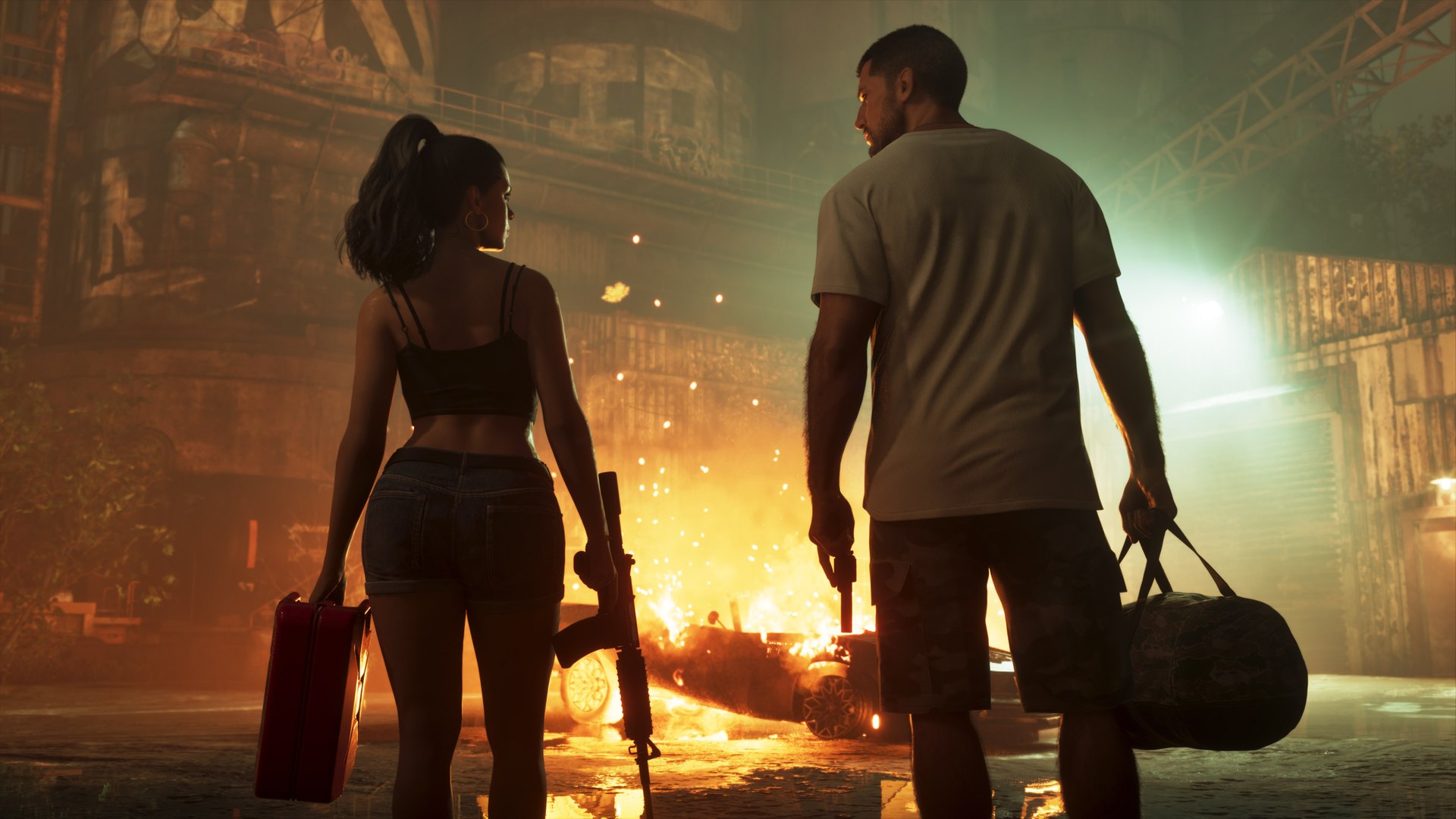
This card is about Grand Theft Auto VI, the biggest entertainment launch in history: 19 November 2026, PlayStation 5 and Xbox, $79.99. The scale in plain numbers: 3.7 billion people on Earth play video games, GTA V sold 230 million copies, and the GTA 6 trailer drew 475 million views in 24 hours.
The game cost an estimated $1 to 1.5 billion, the most expensive entertainment product ever built. Its predecessor made $1 billion in 3 days in 2013 and still earns $1 million a day.
Hollywood measures Avatar: it took years and re-releases to reach $2.9 billion. GTA 6 does that in a week. Games are a $213.9 billion industry in 2026 (Newzoo), bigger than cinema and recorded music combined, and 1 game propels the entire $47 billion console segment. The banks cannot agree: 35 million (Piper Sandler) to 85 million copies (Konvoy, the outlier) in the first months, a 50-million spread with a research fee attached.
My forecast: 50 million copies and $4 billion in year 1, $15 billion by 2030 as GTA Online 2 turns players into monthly subscribers. $80 becomes the standard game price by 2027, and the PC version lands in late 2027. And 1 billion people watch GTA 6 on YouTube and Twitch without ever buying it. Everybody becomes a spectator, not a gamer.
Now the venues. Asia is 47% of the games market. The Middle East grows fastest, 10% a year. And Saudi Arabia goes all in: a $38 billion gaming fund, a record $75 million Esports World Cup prize pool, 750 million viewers and 3 million visitors in Riyadh in 2025. The 2026 edition moved to Paris because of the Iran war; Riyadh stays the declared home, and in 2034 the kingdom hosts the FIFA World Cup.
The boldest build is Qiddiya, a 334 km2 entertainment city outside Riyadh with a purpose-built gaming and esports district inside it, funded by PIF, Saudi Arabia’s $900 billion sovereign wealth fund.
That is my Future Cities 2040 card and my Invisible Infrastructures newsletter in real time: wealth shifts west to east, arenas replace offices, and tourism sells a screen instead of a cathedral.
The risk: no PC version at launch, rising chip costs, a war that can move a tournament overnight, and a whole industry calling 1 game a boom.
 Tracking